
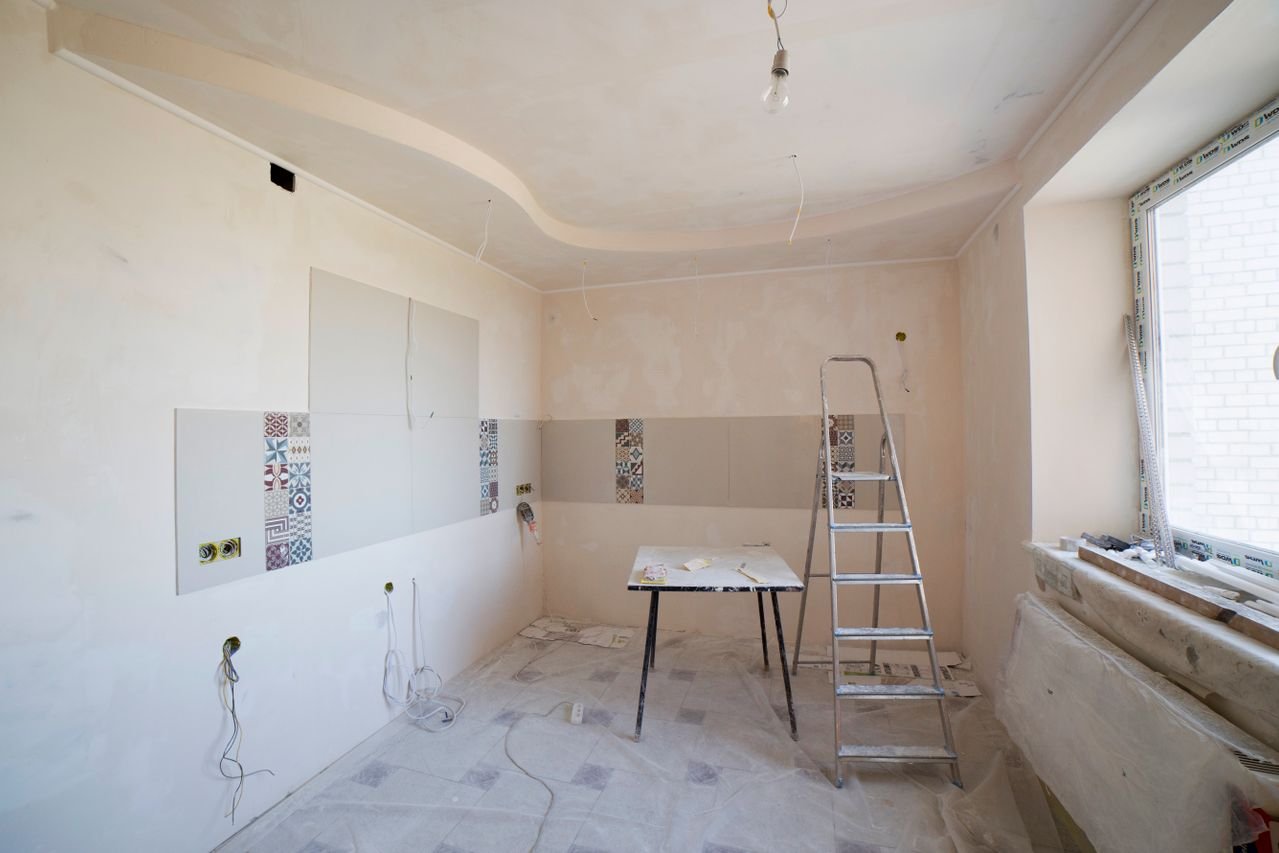

Condo unit renovation approval is the process by which a condominium corporation consents to an owner’s alteration of their unit, and sets the conditions the owner must meet. It exists because a unit is not a standalone house: every alteration inside it can affect the structure, the services, the fire separations and the neighbours in a building the corporation is legally obliged to maintain.
This topic is a persistent source of friction in both directions. Owners find the process opaque, slow and expensive. Boards and managers find themselves enforcing rules inconsistently, reacting to problems after they occur, and occasionally discovering that an owner has already completed work that damages common elements.
This guide sets out what actually requires approval, how a well-run approval process works, what conditions a corporation can reasonably impose, and how boards can enforce their rules effectively. It is written for both audiences, because the process only works when both sides know what is expected.
Key Takeaways
- An owner may generally alter their own unit, but where the work touches common elements, or the structure, services or appearance of the building, the corporation’s consent is required and conditions may be imposed.
- The starting point is always the corporation’s own declaration, by-laws and rules. These vary between buildings, so a board must read its own documents rather than copy a neighbouring corporation’s process.
- A written renovation application, a renovation agreement, proof of insurance and a refundable deposit are the core controls. Verbal consent creates disputes.
- Most problems trace back to inconsistency: the same work approved for one owner and refused for another, or tolerated without a written agreement.
- A good process protects the corporation from damage, protects other owners from disruption, and protects the renovating owner from being blamed for pre-existing conditions.
- The corporation should be able to demonstrate that its requirements are reasonable, applied consistently and documented. That is what makes them enforceable.
What Requires Approval and What Does Not
Owners are often surprised by the scope of what a corporation can control, and boards are sometimes unsure how far their authority actually extends. The practical test is whether the work reaches beyond the interior surface of the unit.
| Type of work | Approval typically required? | What it touches |
|---|---|---|
| Painting, wallpaper, replacing floor coverings within the unit | Usually notification only, unless the building requires approval for noise or elevator use | Interior finishes only |
| Replacing kitchen or bathroom fixtures in the same locations | Often yes, because of plumbing isolation and shut-off requirements | Water services, drains, sometimes common risers |
| Relocating plumbing, drains or gas | Yes | Common risers and services; may require a permit |
| Removing or moving a wall | Yes | Structure, and possibly a fire separation between units |
| Electrical work, new circuits or panel changes | Yes, and a permit | Common electrical systems; affects other units’ supply |
| Changing or enclosing a balcony | Yes, and possibly owner approval | Common element; affects the building’s appearance and the envelope |
| Replacing windows or balcony doors | Yes, and usually the corporation does this work itself | Common elements |
| Adding a hot tub, sauna or heavy floor finish | Yes | Structural loading on a common element slab |
| Adding hardwood or tile over an existing floor | Often yes | Impact noise transmission to the unit below; sometimes an acoustic underlay is required |
| Anything requiring a building permit | Yes | Whatever the permit covers, plus the corporation’s own requirements |
| Anything affecting a hallway, corridor or common area | Yes, and typically owner approval for a change to common elements | Common elements |
The two governing frameworks
Ontario’s Condominium Act, 1998 sets out the framework, including the corporation’s obligations to maintain the common elements and the circumstances in which owner approval is required for changes to them. On top of the statute sit the corporation’s own declaration, by-laws and rules, which is where the practical detail lives: what must be submitted, what insurance is required, what hours work may happen, and what deposit is held.
Because those documents differ between buildings, a board cannot simply adopt another corporation’s form. Boards should confirm their own position, and take legal advice where the documents are ambiguous or outdated. The Condominium Authority of Ontario publishes guidance on condo renovations that is a useful starting point for both boards and owners.
One frequent misconception: an owner cannot rely on the fact that a previous owner did similar work without approval. Past inconsistency does not create a right, though it does create an enforcement problem the board will have to manage.
Building an Approval Process That Works
A process that is documented, predictable and consistently applied prevents most disputes. These are the elements worth having in place before the next request arrives.
1. A written application
The application should capture everything the board needs to make a decision, and it should be the same form for every owner.
- Owner name, unit number, and contact details for the owner and the contractor
- Scope of work described in plain language, with drawings where relevant
- Start and completion dates, and proposed working hours
- Contractor details, including licence or trade qualification, WSIB status and insurance
- Whether a building permit is required and who is obtaining it
- Which common elements or services the work will touch, and how they will be protected
- How debris and material will be moved and disposed of
- Confirmation of elevator use and any booking required
- Acknowledgment that work will comply with the corporation’s rules
2. A renovation agreement
This is the document that protects the corporation. It should record the approved scope, the conditions, the owner’s obligations, and what happens if the work departs from what was approved. Common provisions include:
- The approved scope, with any conditions attached
- An obligation to indemnify the corporation against damage and claims arising from the work
- A requirement to maintain insurance, with the corporation named as an additional insured
- Responsibility for repairing any damage to common elements
- Compliance with specified working hours and building rules
- A requirement for the corporation’s approval before any change to the approved scope
- A refundable deposit, and the circumstances in which it may be retained
- An obligation to provide as-built information for any concealed work
- Confirmation that the owner remains responsible for the corporation’s costs even if the unit is sold
3. Insurance and contractor verification
- Owner’s liability insurance covering the renovation, with the corporation named as additional insured
- Contractor’s commercial general liability insurance, with a certificate naming the corporation
- WSIB clearance certificate in good standing, or confirmation of independent operator status
- Confirmation of any required trade licence or qualification
- For structural or mechanical work, confirmation of the engineer’s or designer’s involvement
4. A deposit
A refundable deposit is standard and reasonable. It gives the corporation a mechanism to recover the cost of cleaning, damage repair or elevator repair if the owner does not, without having to pursue the owner through the courts. The amount should relate to the likely cost of remediation, and the agreement should state clearly when it is returned and when it may be applied.
5. Inspection and sign-off
For anything significant, the corporation should inspect at defined points, particularly before concealed work is closed up. A short written sign-off at completion, recording that the work matches the approved scope and that common elements are undamaged, closes the file and gives both parties a record. Our guide to choosing a condominium refurbishment contractor covers the same documentation discipline applied to the corporation’s own projects.
Managing the Disruption
A unit renovation is a small project in a shared building, and the disruption it causes is usually a neighbour problem rather than a structural one. Most complaints are about noise, dust, elevator use and debris.
| Issue | What the corporation can reasonably control | Practical measure |
|---|---|---|
| Noise | Permitted working hours, set by the corporation’s rules subject to any municipal bylaw | State the hours in the agreement and give them to the contractor in writing |
| Elevator use | Booking, protection, and prohibition on certain materials in the passenger elevator | Require booking, pad the cab, and restrict debris to a designated route or time |
| Dust and debris | Protection of corridors, sealing of the unit, and cleaning obligations | Require hoarding at the unit door, negative air where sanding or demolition occurs, and daily cleaning |
| Fire safety | Prohibition on blocking exits, obstructing fire equipment, and on propping fire doors | Brief the contractor on the building’s fire safety plan before work begins |
| Water shut-offs | Notice to affected units and scheduling | Require advance notice and a named responsible person on site |
| Waste disposal | Approved routes and times, and use of designated bins only | State where debris goes and when, and who cleans up if it does not |
| Parking and loading | Use of loading areas, and time limits | Book loading access and warn residents if an entrance is affected |
Communicating with neighbours
The single most effective measure is telling affected neighbours in advance. A short notice from the corporation, naming the unit, the dates, the working hours and a contact for problems, converts most potential complaints into tolerance. Where an owner is uncommunicative, the corporation should issue the notice itself, because the corporation’s relationship with the other owners is what is at stake.
The same discipline applies in reverse when the corporation is doing its own work. Our article on surviving the disruption of a condo renovation covers protection and communication measures, and our guide to the condo refurbishment timeline explains how notice periods fit into a larger programme.
Enforcement: What to Do When an Owner Does Not Comply
Enforcement is where boards feel least confident, and where inconsistency does the most damage. The fundamentals are the same as any governance matter: know your authority, act promptly, document everything, and apply the same standard to everyone.
Before the problem arises
- Make sure the declaration, by-laws and rules actually address renovation. If they do not, that is a governance project worth doing.
- Publish the process so owners know it exists before they plan work
- Use a written agreement every time, including for work the board is inclined to wave through
- Keep a file per approval, so future boards can see what was agreed
When work starts without approval, or departs from it
- Establish the facts in writing. Photographs, dates, and a description of what was observed, and what the approved scope was.
- Notify the owner in writing immediately. Delay is read as consent, and it weakens the corporation’s position.
- Request that work stop where it affects common elements, structure or safety, pending review.
- Inspect with the owner’s cooperation where access is needed, following the corporation’s rights of entry.
- Offer a path to compliance. Most situations resolve faster if the owner is told what they need to do rather than only what they did wrong.
- Apply the rules consistently. The corporation’s position is only as strong as its treatment of the last similar case.
- Take legal advice early where the work has damaged common elements, where an owner refuses access, or where compliance is not being achieved.
Recovering the corporation’s costs
Where an owner’s work damages common elements, the corporation’s costs of inspection, repair and enforcement may be recoverable. The mechanism depends on the corporation’s documents and on the circumstances, and boards should take legal advice rather than assume. A well-drafted renovation agreement makes this far more straightforward, which is the strongest argument for using one every time.
The consistency point, restated
Boards get into difficulty less often because their rules are wrong than because they are applied unevenly. Approving a similar project for a director, or overlooking a breach because the owner is difficult to confront, creates a precedent that undermines every future enforcement attempt. If a rule is genuinely unworkable, the right response is to change the rule properly, not to stop applying it.
Our guides to avoiding a special assessment and to reserve fund refurbishment cover the corporation’s own project governance, which follows the same principles of documentation and consistency.
The Benefits of Getting This Right
A well-run approval process is not bureaucratic overhead. It delivers concrete benefits to everyone involved.
For the corporation
- Damage to common elements is identified and attributed while the contractor is still on site
- The corporation has insurance and indemnity in place, so it is not carrying the owner’s risk
- Disputes are resolved against a written agreement rather than recollection
- The building’s systems, fire separations and structure are protected
For the renovating owner
- Clear written scope means the contractor knows what was approved, which reduces the risk of doing work that later has to be undone
- Insurance and deposit arrangements are settled up front rather than disputed afterwards
- A completion sign-off protects the owner from later being blamed for pre-existing conditions
- Neighbours are informed, which reduces friction during the work
For other owners
- Advance notice of noise, elevator booking and access disruption
- Assurance that the work is being inspected and controlled
- Protection of the building’s value through consistent standards
A useful test
A simple test of whether a process is working: if an owner sold their unit two years after renovating, and a new board asked what was approved and on what conditions, could the corporation produce a clear answer in five minutes? If the answer is yes, the process is doing its job
Frequently Asked Questions
Do I need board approval to renovate my condo unit in Ontario?
It depends on what the work involves. Painting, flooring and replacing fixtures in the same locations usually require notice rather than formal approval, though some buildings require approval because of elevator use or noise. Work that touches common elements, structure, plumbing, electrical systems, fire separations or the building’s appearance requires the corporation’s consent, and conditions may be attached. The starting point is always the corporation’s own declaration, by-laws and rules, because requirements differ between buildings. Owners should ask the manager before assuming, and boards should be able to point to the specific provision.
Can a condo board refuse a renovation request?
A corporation can refuse consent, or grant it subject to conditions, where the work affects common elements or the corporation’s obligations. What matters is that the decision is reasonable, consistent with the corporation’s documents, and documented. A refusal should be given in writing with the reason, and the same standard should apply to every owner. Where a board refuses without a basis in the documents, or approves similar work for one owner and refuses it for another, the corporation’s position weakens considerably. Boards should take legal advice before refusing in a case that may be contested.
What should a condo renovation agreement include?
A renovation agreement should record the approved scope with any conditions, an indemnity in favour of the corporation, a requirement to maintain insurance with the corporation named as additional insured, responsibility for repairing damage to common elements, compliance with specified working hours and building rules, a requirement for further approval before any change to the scope, a refundable deposit and the circumstances in which it may be retained, an obligation to provide as-built information for concealed work, and confirmation that the owner remains responsible for the corporation’s costs even if the unit is sold. It should be signed before work begins.
Can a condo corporation charge a renovation fee or deposit?
Corporations commonly require a refundable deposit, and it is a reasonable control because it gives the corporation a mechanism to recover cleaning, damage or elevator repair costs without pursuing the owner through the courts. The amount should relate to the likely cost of remediation, and the agreement should state clearly when it is returned and when it may be applied. Whether a non-refundable fee can be charged, and on what basis, depends on the corporation’s documents and the applicable law, so boards should confirm their position with legal counsel rather than assuming.
What are the rules about renovation noise in a condo?
Permitted working hours are typically set by the corporation’s rules, subject to any applicable municipal noise bylaw, and should be stated in the renovation agreement and given to the contractor in writing. Quiet hours and weekend restrictions are common. The practical measures that reduce complaints most are advance written notice to affected neighbours naming the unit, the dates, the working hours and a contact for problems, and enforcement of the hours once set. Where an owner will not communicate, the corporation should issue the notice itself, because it is the corporation’s relationship with other owners that is at risk.
Who is responsible if a renovation damages common elements?
The owner carrying out the work is generally responsible for damage to common elements caused by it, which is why a renovation agreement includes an indemnity and why the corporation requires the owner and contractor to carry insurance naming the corporation as additional insured. A deposit gives the corporation a practical mechanism to recover costs if the owner does not. Where damage has occurred, the corporation should document it in writing with photographs and dates, notify the owner promptly, and take legal advice on recovering its costs. Prompt action matters, because delay can be read as acceptance.
Can a condo board stop renovation work already in progress?
Where work is affecting common elements, structure or safety, or is proceeding without approval or outside the approved scope, a corporation can require that work stop pending review, and should notify the owner in writing immediately. What a board should not do is rely on verbal instructions or delay. The stronger position is a written agreement that defines the approved scope in the first place, because a departure from a documented scope is straightforward to evidence, whereas a departure from an informal understanding is not. Boards should take legal advice where an owner refuses to stop or refuses access.
Image Credits
Photographs via Wikimedia Commons: Warren LeMay via Wikimedia Commons (CC0 (Public Domain Dedication), no attribution required).
Sources and Further Reading
The following authoritative sources informed this guide.
Boards: Get Your Renovation Process in Order
Folio Interiors works with condominium corporations across the Greater Toronto Area. If your board is planning common element work, coordinating owner renovations, or needs a clear scope and budget for the building itself, get in touch and we will help you scope it.